Planning a Home Renovation in London? 5 Things to Know Before You Start
Whether you're extending your home, renovating a period property or carrying out a full refurbishment, a successful project starts long before the first wall is demolished. Careful planning can save time, money and unnecessary stress, helping to ensure the finished result meets both your expectations and your budget.
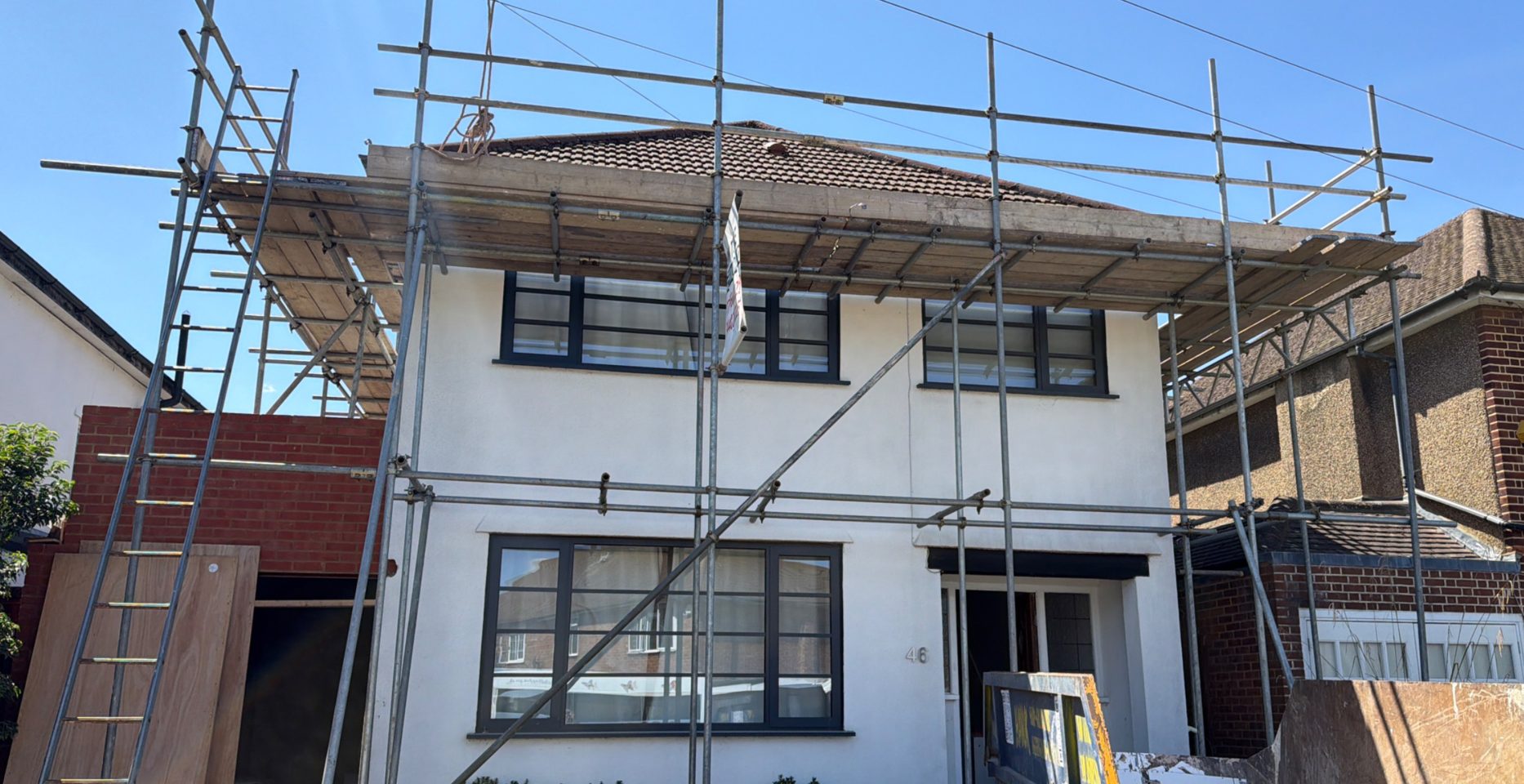
Here are five things we believe every homeowner should know before starting a renovation.
At BRX London, we’ve worked on residential and commercial projects across London, and while every project is unique, there are a number of common principles that help every renovation run smoothly.
The brief was to completely rethink how the space worked, not just how it looked.
1. Set a Realistic Budget-and Include a Contingency
One of the most common mistakes is budgeting only for the visible finishes, such as kitchens, bathrooms and flooring, while overlooking the costs hidden behind the walls.
Older properties often reveal surprises once work begins, from outdated electrical systems to structural issues or drainage alterations.
As a guide, we recommend allowing a contingency of around 10 to 15% of your construction budget. It’s far better to have it and not need it than the other way around.
2. Choose the Right Contractor, Not Simply the Cheapest
A quotation isn’t just a price; it’s a reflection of what’s included.
When comparing builders, consider:
- Previous projects
- Reviews and recommendations
- Insurance and accreditations
- Programme and communication
- Quality of workmanship
- What’s included (and excluded) within the quotation
An unrealistically low quote can often lead to unexpected variations, delays or compromises in quality later in the project.
The right contractor should provide clarity, transparency and confidence from the outset.
3. Understand Planning Permission and Permitted Development
Not every project requires planning permission.
Many loft conversions, rear extensions and side returns can be completed under Permitted Development Rights, provided certain criteria are met.
However, this depends on factors such as the property’s location, previous extensions, conservation areas and the proposed design.
Seeking professional advice early can prevent costly redesigns and delays.
4. Building Control Is Just as Important
Even if planning permission isn’t required, Building Regulations almost certainly will be.
Building Control ensures that structural work, insulation, drainage, fire safety, electrical installations and other key elements comply with current regulations.
Passing inspections throughout the build provides reassurance that the work has been completed safely and correctly.
5. Finalise Your Design Before Construction Begins
Making design decisions once work is underway is one of the quickest ways to increase both costs and programme.
Where possible, have the following agreed before starting:
- Layouts
- Structural drawings
- Electrical and lighting layouts
- Plumbing layouts
- Kitchen and bathroom designs
- Flooring selections
- Finishes and fixtures
The more decisions made before construction starts, the smoother the project will be.