The Impact of the US-Iran Conflict on UK Construction
Over the past few months, global attention has increasingly focused on the escalating conflict involving the United States and Iran. While these events may feel geographically distant from day-to-day construction activity in the UK, the reality is that major geopolitical events often have a direct impact on the construction industry.

Why Does a Conflict in the Middle East Affect UK Construction?
The answer largely comes down to energy, transportation, and global supply chains.
The Middle East remains one of the world’s most important regions for oil and gas production. Any disruption to supply routes, particularly around the Strait of Hormuz, can significantly impact global energy prices. Recent tensions have already contributed to increased volatility within oil markets, with concerns surrounding supply disruption causing price spikes and wider inflationary pressures.
Construction is an energy-intensive industry. Fuel powers machinery, transportation networks, manufacturing plants, delivery vehicles, and the production of many construction materials. When energy prices rise, those increased costs inevitably work their way through the supply chain.
Material Costs Under Pressure
One of the most immediate concerns for the construction sector is the impact on material pricing.
Many commonly used construction materials require significant amounts of energy during manufacturing. Steel production, aluminium fabrication, glass manufacturing, cement production, brick kilns, insulation manufacturing, and plasterboard production all rely heavily on energy-intensive processes.
As energy prices increase, manufacturers face higher production costs which are then passed through the supply chain. Industry analysts have already warned that ongoing instability could continue placing upward pressure on the cost of steel, copper, timber, glass, and other key construction materials.
For contractors pricing projects months in advance, this creates a significant challenge. Quotes prepared based on one set of material costs can quickly become outdated if supply chain pricing shifts during the construction programme.
Shipping and Supply Chain Disruption
The issue extends beyond raw material production.
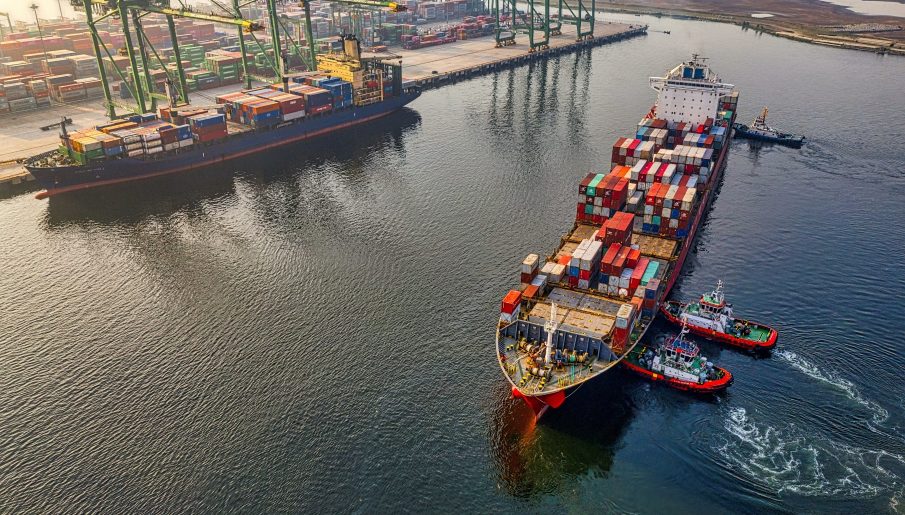
Global shipping networks remain highly sensitive to disruption in major trade routes. Concerns around shipping through the Persian Gulf and wider Middle East region have already led to increased transportation costs and delays across a number of sectors.
Even where products are not directly sourced from affected regions, higher shipping costs can still impact overall pricing. Many construction materials rely on complex international supply chains, with raw materials, manufacturing, processing, and distribution often taking place across multiple countries before reaching UK construction sites.
The result is longer lead times, increased logistics costs, and greater uncertainty around procurement.
Residential Construction
For homeowners planning extensions, loft conversions, refurbishments, or new-build projects, rising costs can have a noticeable impact on budgeting.
While the UK construction market has experienced significant inflationary pressures since the pandemic, renewed geopolitical instability risks adding further pressure to already elevated material and labour costs.
Projects involving large quantities of steel, glazing, aluminium systems, specialist finishes, or imported products may be particularly exposed to future price increases if supply chain pressures continue.
This does not necessarily mean homeowners should delay projects. However, it does reinforce the importance of realistic budgeting, early procurement strategies, and working with contractors who actively monitor material pricing and supply chain risks.
Commercial Construction
The commercial sector often feels these pressures even more acutely.
Large-scale office fit-outs, retail developments, hospitality projects, and mixed-use schemes typically involve longer programmes, larger procurement packages, and greater exposure to fluctuations in global commodity prices.
Developers and commercial clients may increasingly encounter:
- Longer procurement lead times
- Increased material costs
- Higher transportation costs
- Greater pricing volatility
- More frequent contractor risk allowances
Many contractors are also becoming more cautious when pricing long-duration projects due to the uncertainty surrounding future material costs. Industry reports have already highlighted concerns that contractors may struggle to absorb rising costs on projects tendered before recent market increases.
Looking Ahead
Predicting the long-term outcome of any geopolitical conflict is impossible. Markets can react quickly, and periods of volatility are often followed by stabilisation.
However, the construction industry has learned over recent years that global events can have a direct impact on local projects. From the pandemic and supply chain disruption to inflation and energy shocks, contractors and clients alike have had to adapt to increasingly unpredictable market conditions.
For now, the key focus remains careful planning, realistic budgeting, proactive procurement, and maintaining flexibility within project timelines.
While the full impact of current Middle East tensions remains uncertain, it is clear that global events continue to play an important role in shaping the future cost of construction across both the residential and commercial sectors in the UK.